Frequently Asked Questions
The most-asked questions about activists & social reformers.
What exactly is an activist or social reformer?
An activist is someone who takes deliberate action to push for change in society, while a social reformer typically works to alter specific institutions, laws, or cultural norms. Both roles overlap heavily, and many individuals have worn both hats throughout history.
Who are the most widely recognized figures in this field?
Names like Martin Luther King Jr., Susan B. Anthony, Mahatma Gandhi, and Malala Yousafzai tend to anchor most introductions to the topic. Beyond those, figures such as Sojourner Truth, Che Guevara, and Greta Thunberg represent different eras and approaches to advocacy.
Where should a newcomer begin if they want to understand the broader landscape?
Starting with a general history of social movements—such as the labor, civil rights, and suffrage movements—gives you the structural context before diving into individual biographies. From there, picking one movement that resonates with you and tracing its key players is usually the most effective path.
What is the practical difference between an activist and a social reformer?
In common usage, 'activist' emphasizes direct, often confrontational action like protests or civil disobedience, whereas 'social reformer' leans toward legislative, educational, or institutional change. In practice the distinction is blurry, and most prominent figures have employed both strategies.
What are the major historical periods associated with activism and reform?
Scholars often point to the abolitionist era, the Progressive Era of the early 1900s, the 1960s civil-rights and anti-war movements, and the post-2010 wave of digital organizing as particularly significant. Each period introduced new tactics, from pamphlets and picket lines to social-media campaigns.
What tactics and methods are most commonly associated with social reform?
The toolkit ranges from peaceful protest, lobbying, and grassroots organizing to civil disobedience, litigation, and public education. Many successful campaigns have layered several of these approaches simultaneously to build pressure from multiple directions.
Which movements are considered the most influential in shaping modern society?
The labor movement, women's suffrage, the civil rights movement, and the environmental movement are frequently cited as having the deepest and most lasting structural impact. Each reshaped laws, workplace norms, or public expectations in ways that still define daily life today.
What are some landmark moments that defined the field?
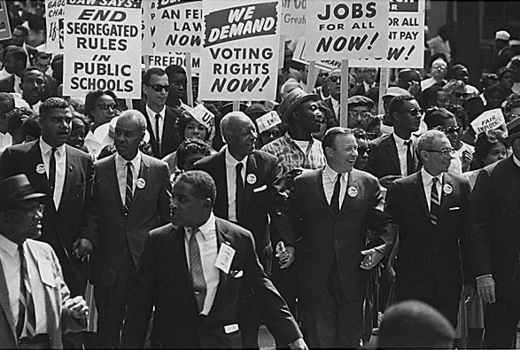
Events like the 1963 March on Washington, the 1960 sit-ins at Woolworth's lunch counters, and the 2019 global climate strikes are often highlighted as turning points. These moments shifted public opinion, compelled legislative action, or inspired new generations of organizers.
What fields and causes do activists and reformers typically work in?
The scope is enormous, spanning labor rights, gender equality, environmental protection, criminal-justice reform, disability rights, and many others. Many individuals have also crossed boundaries, working across multiple causes throughout their careers.
How can an ordinary person get involved in social reform?
Most experienced reformers recommend starting locally—attending town-hall meetings, volunteering with a community organization, or joining a cause-specific group. Building relationships, learning the policy landscape, and committing to sustained effort over time tend to matter more than any single dramatic gesture.